
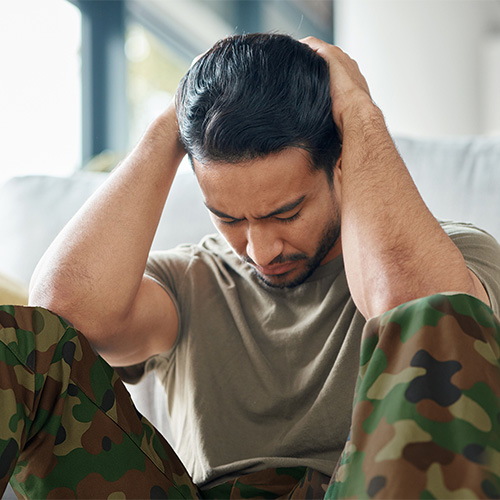
Effective treatment options include trauma-focused and evidence-based psychotherapies like Cognitive Processing Therapy (CPT), carefully managed Prolonged Exposure (PE), and guided Eye Movement Desensitization and Reprocessing (EMDR) can also be helpful.

Treatment for anxiety in veterans often involves a combination of therapies, including cognitive behavioural therapy (CBT), Eye Movement Desensitization and Reprocessing (EMDR), and medication. Additionally, veterans can benefit from support groups, and mindfulness practices
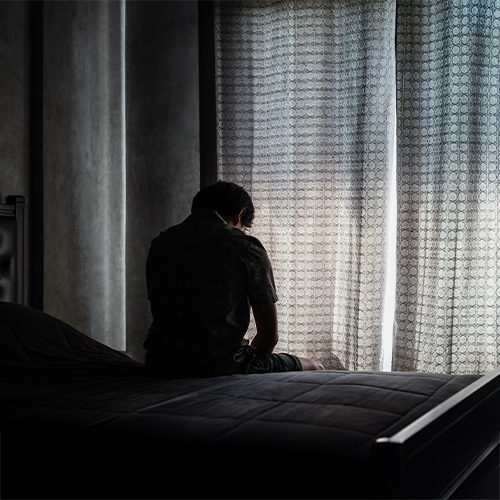
As for anxiety, treatment for depression, often involves a combination of therapy and medication, tailored to each veteran’s individual needs.

A strengths-based approach that recognises the impact of past trauma on veterans’ lives & aims to provide support in a way that promotes healing & reduces the risk of re-traumatisation. It emphasises safety, trustworthiness, choice, collaboration, and empowerment throughout the care process.

This is a mental health condition where controlling alcohol, nicotine, drugs or other substances like sedatives or stimulants becomes difficult, leading to negative impacts on daily life. It often shows up as struggles to stop using, problems at work or home, risky behaviour, and physical signs like tolerance or withdrawal. SUD is treatable, and recognising the signs is the first step toward reclaiming health and independence.

Many veterans face adjustment challenges when they’re transitioning to civilian life. These can include difficulties with identity, relationships, finding purpose, or coping with less structure. It’s a common experience, but with the right support, veterans can rebuild their confidence, connection, and direction beyond service.